
Tide Pools
exploring the weird stuff of the ocean

It was unusually warm the past few days in the Bay Area, so yesterday, Andy and I decided to take full advantage of the sun and head out to the beach.
A beach day in our part of California usually means a biting wind, wearing layers, and walking to keep warm. Our beaches are beautiful but rugged — not exactly inviting for lounging around.
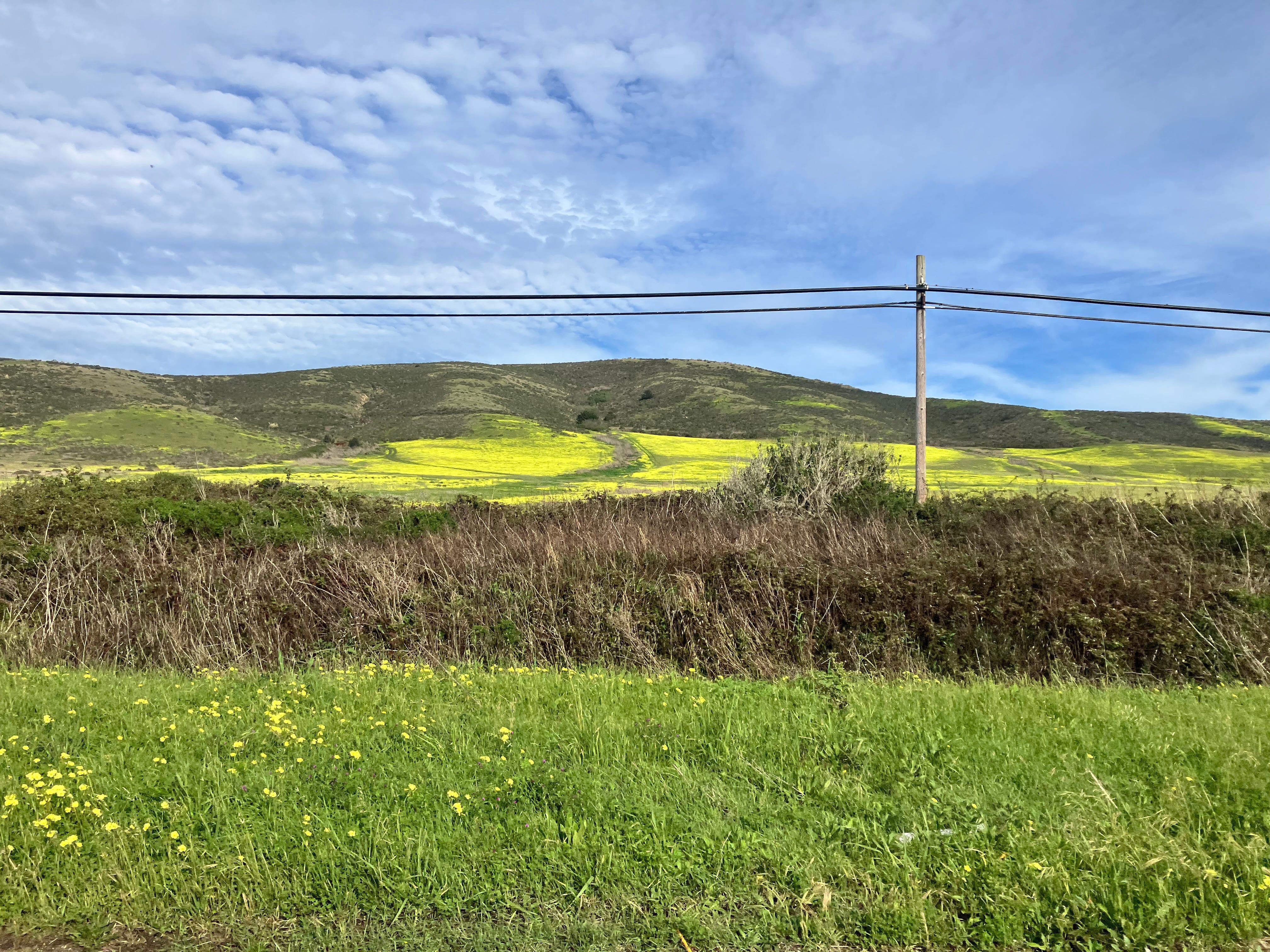
Yesterday was different. Only a whisper of a breeze and strong, bright sunshine. We headed south down Highway 1, past coastal hills and marshes and scrubland blooming with flowers. Entire fields turned yellow with mustard and buttercup and the aptly-named California Goldfield flowers. It’s the time of year when everything is in bloom — orange California poppies spilling out of sidewalk cracks and magnolias dripping off trees and camellias bursting through dark green leaves. The hills are lush green, if they aren’t covered in blankets of yellow or purple or orange. It’s exhilarating.
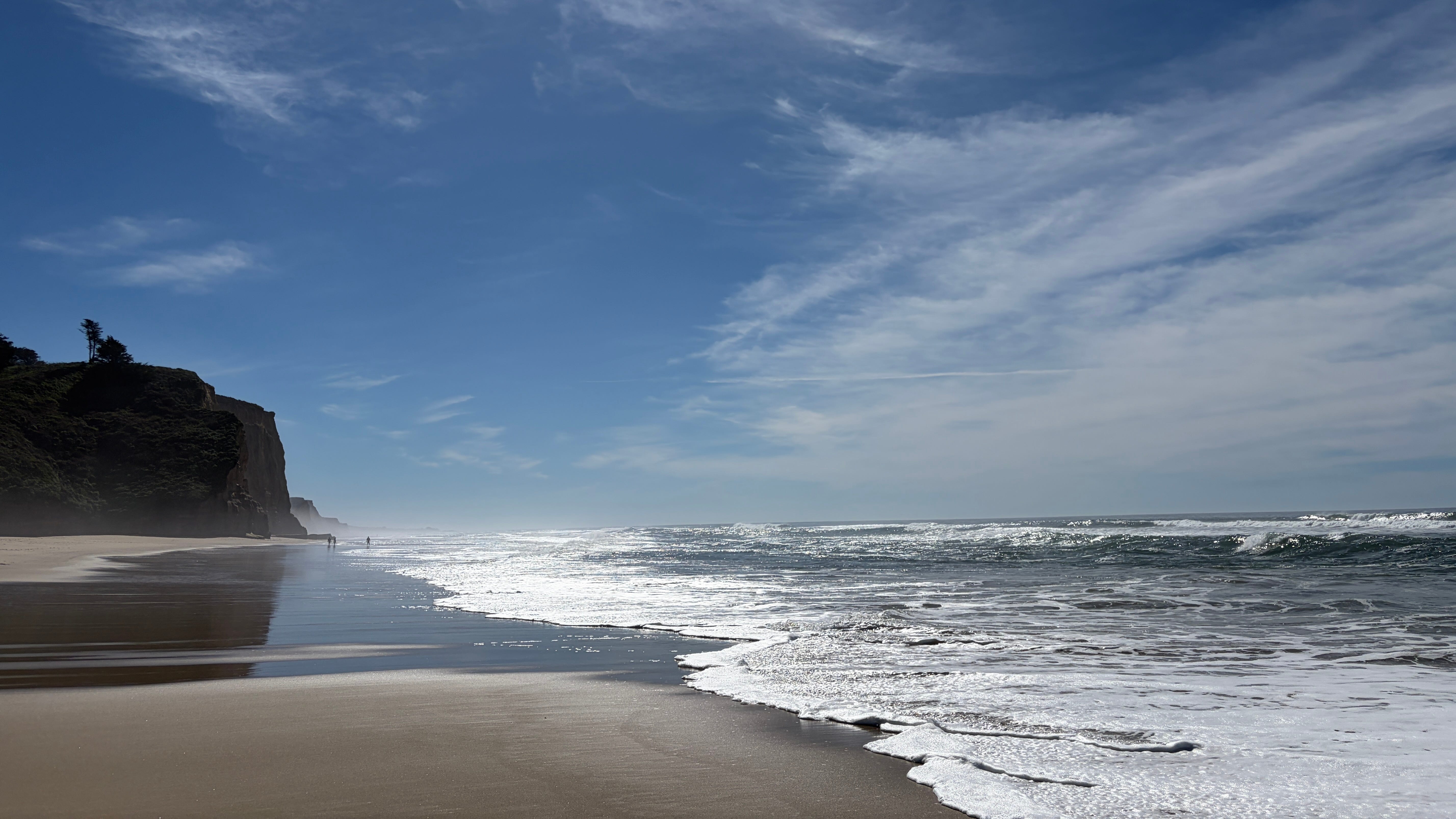
About an hour south of San Francisco, we stopped at Pomponio State Beach, where we hiked down a small bluff to a sandy beach bisected by a creek. I laid down on a beach blanket in a mere t-shirt, soaking up the sun, feeling as if I were on some tropical island instead of the rugged San Mateo County coast. Eventually it became too hot (!) so we headed inland to the little town of Pescadero for some refreshments.
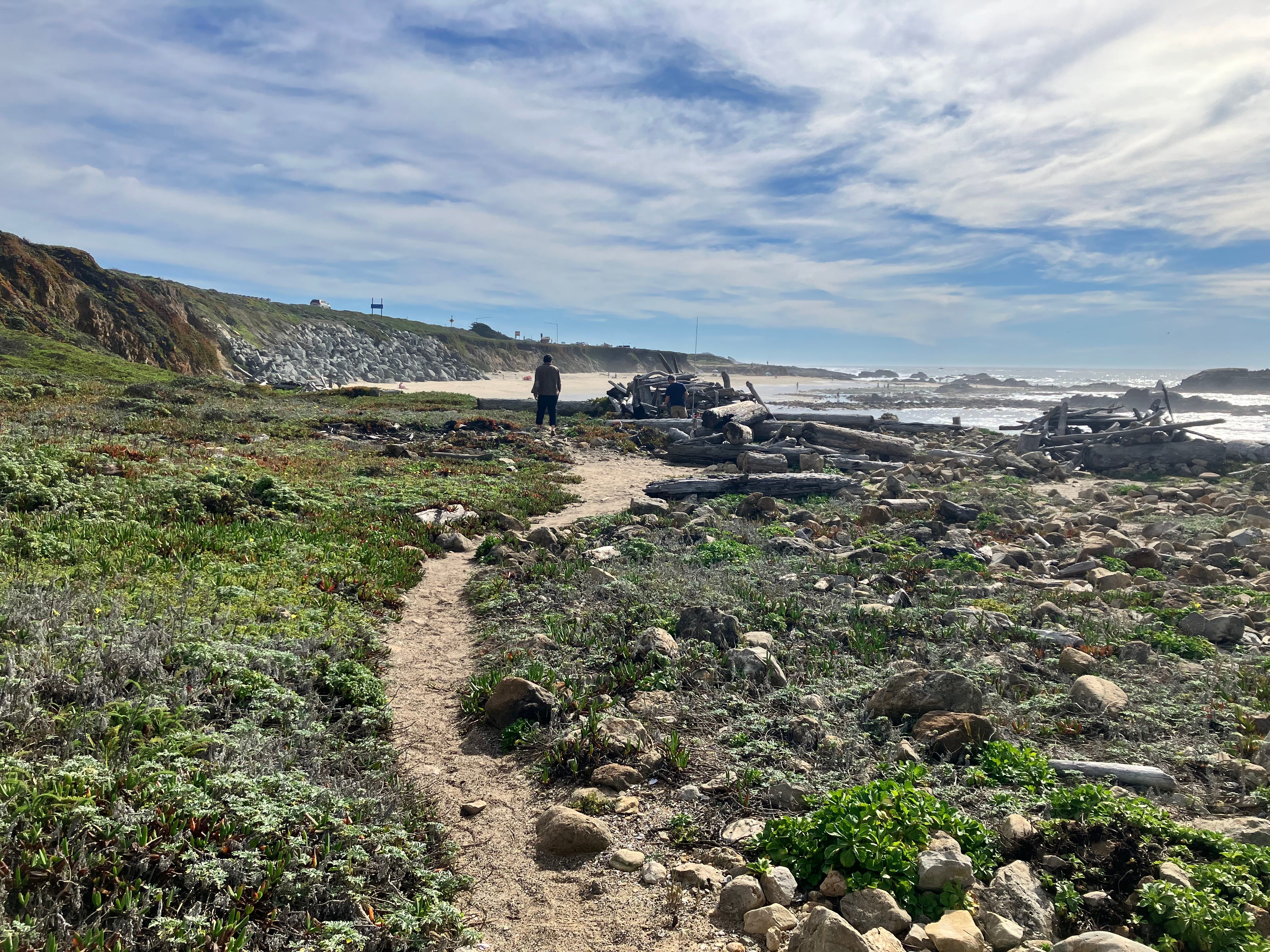
The next stop was Pescadero State Beach. We parked on high sand dunes and made our way down a sketchy, windy path to a rocky beach, filled with huge pieces of driftwood, bleached white by the sun. A dad and his son had made a little fort out of the driftwood, from which they were operating some sort of complicated ham radio setup with wires and antennas everywhere.
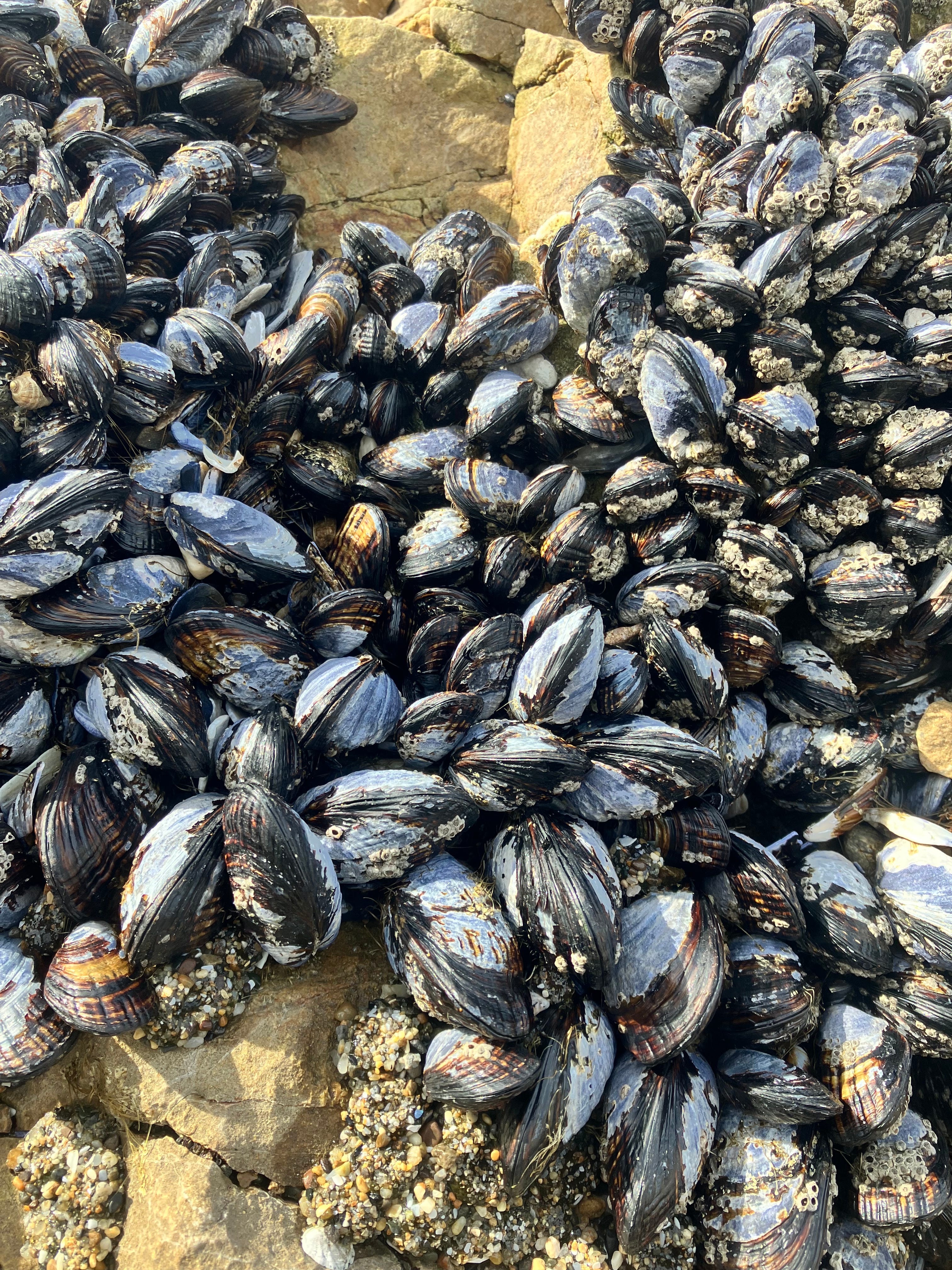
We hiked through the rocks to the sandy beach. Unlike Pomponio, Pescadero’s beach and waters were strewn with large rock formations, which the waves dramatically crashed against. We walked up to a group of rocks that looked black on top. What I had thought was discoloration turned out on closer inspection to be thousands of California mussels. The mussels cling to the rocks in the intertidal zone, spending part of their day above water and part below.
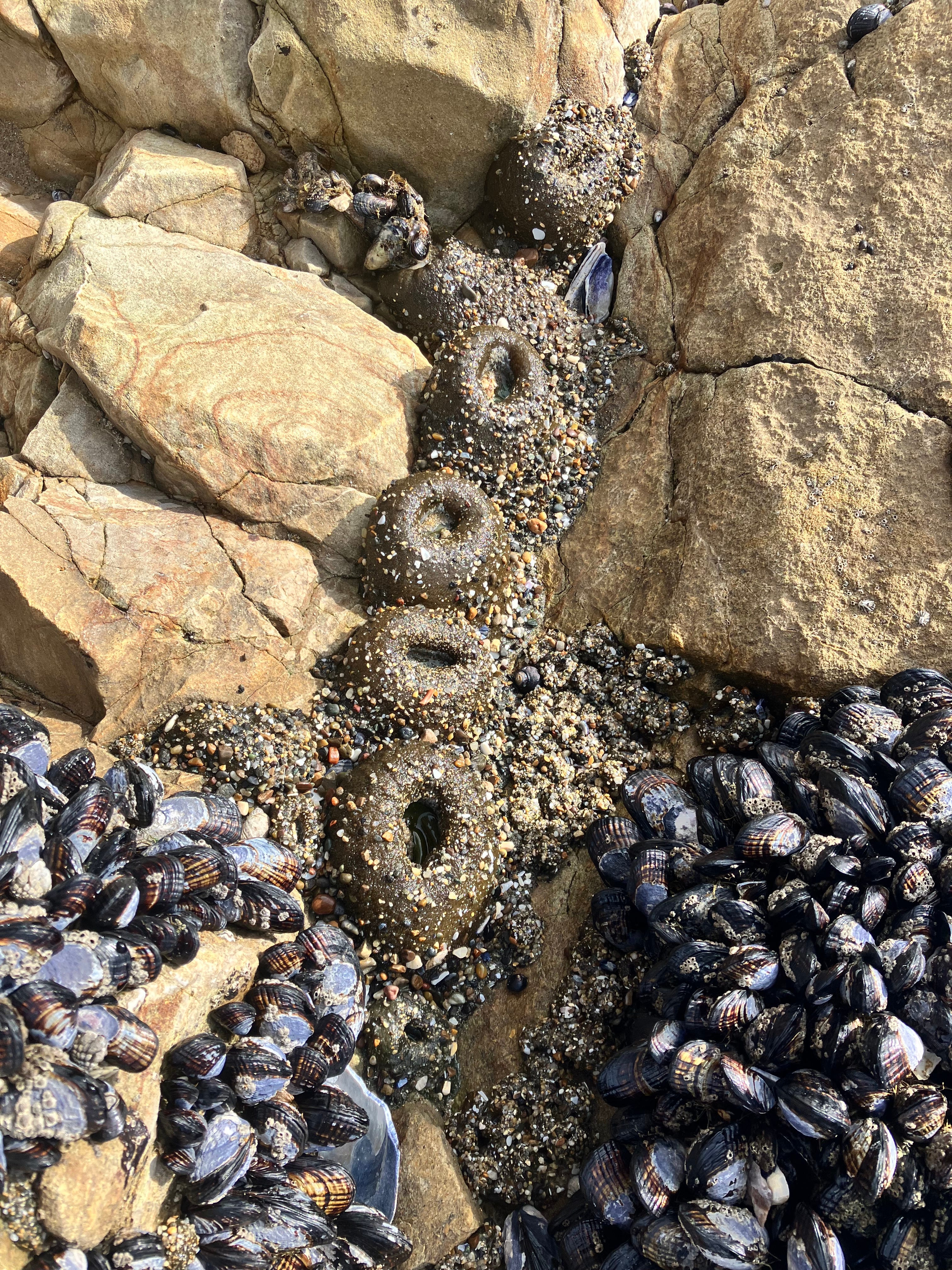
Next to a clump of mussels were what looked like chocolate donuts, covered in sand. But the hole of the “donut” moved in a startling and creepy way. These donuts were creatures - some sort of sea anemone.
We moved on along the coast, marveling at the strange plants and creatures clinging to the rocks and lurking in the tide pools. I learned later that this stretch of coast is famous for its tide pools; the rock formations are perfect for creating little protected waters and the biodiversity in them is immense. It wasn’t the right time of day for tide pooling, but I still spotted snails and (dead) crabs and kelp and sea lettuces and Torrey’s surfgrass and a species of algae called green rope.


When he goes scuba diving, Andy tells me he often can’t tell if the organisms he sees are plants or animals or neither or some in-between, and I got a little taste of that on the beach. Was I looking at a rock or a barnacle? Algae or seaweed? Anemone or plant? My childhood spent near rivers and lakes did not prepare me for the vast weirdness of the ocean.
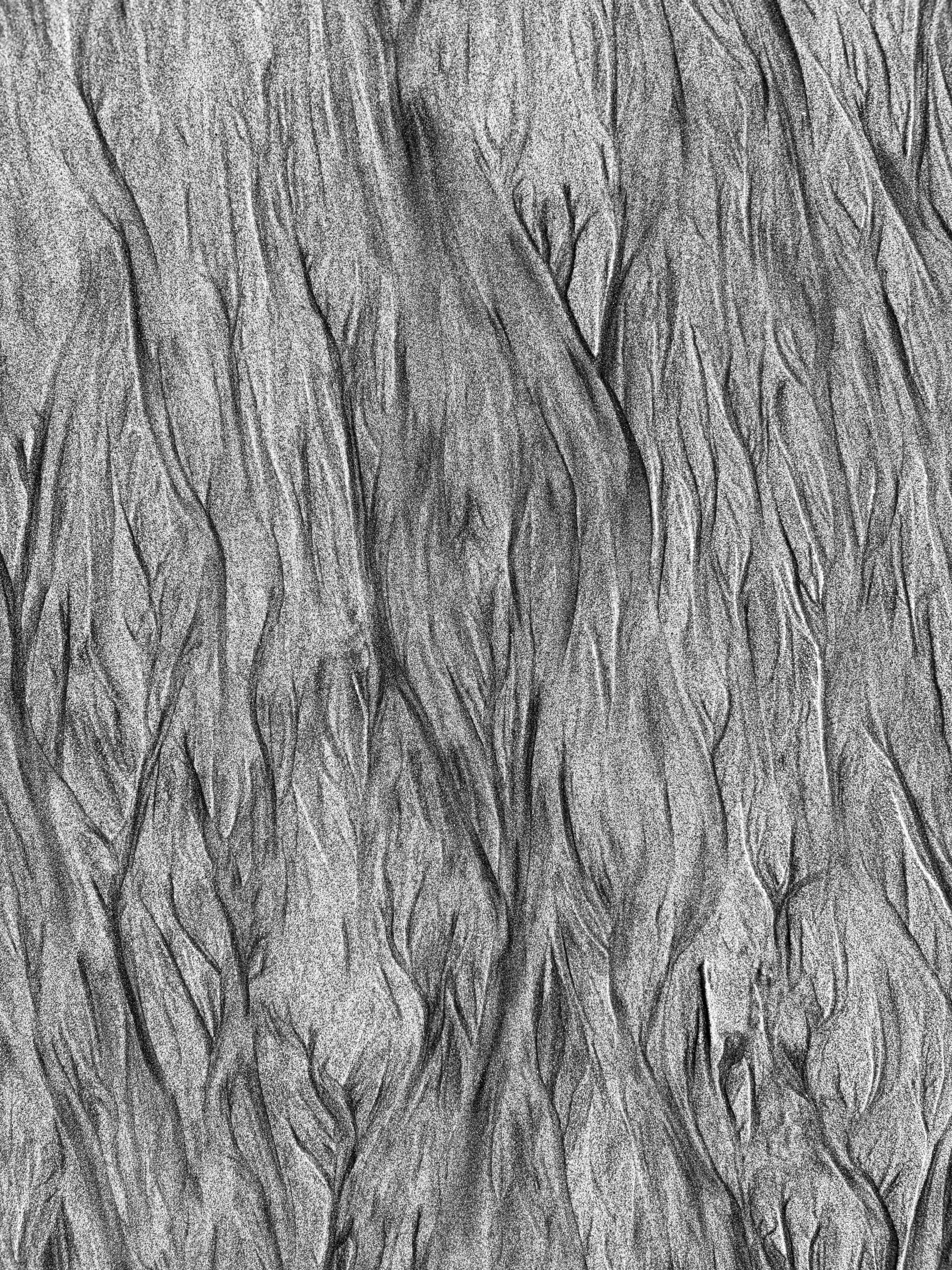
The waves were sneaking closer, so we made our way back across the sand, which was carved into intricate rippling patterns. I don’t know what made these designs - another mystery of the ocean.
Thanks for the trip, sounds refreshing with a hint of weird. Lol